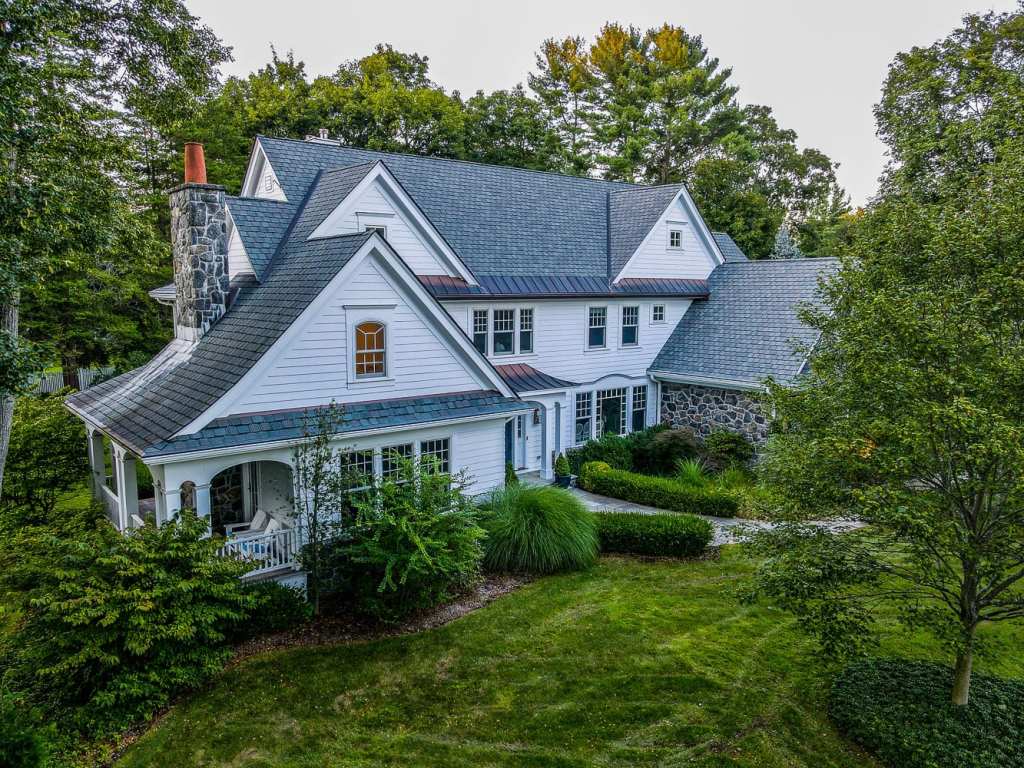
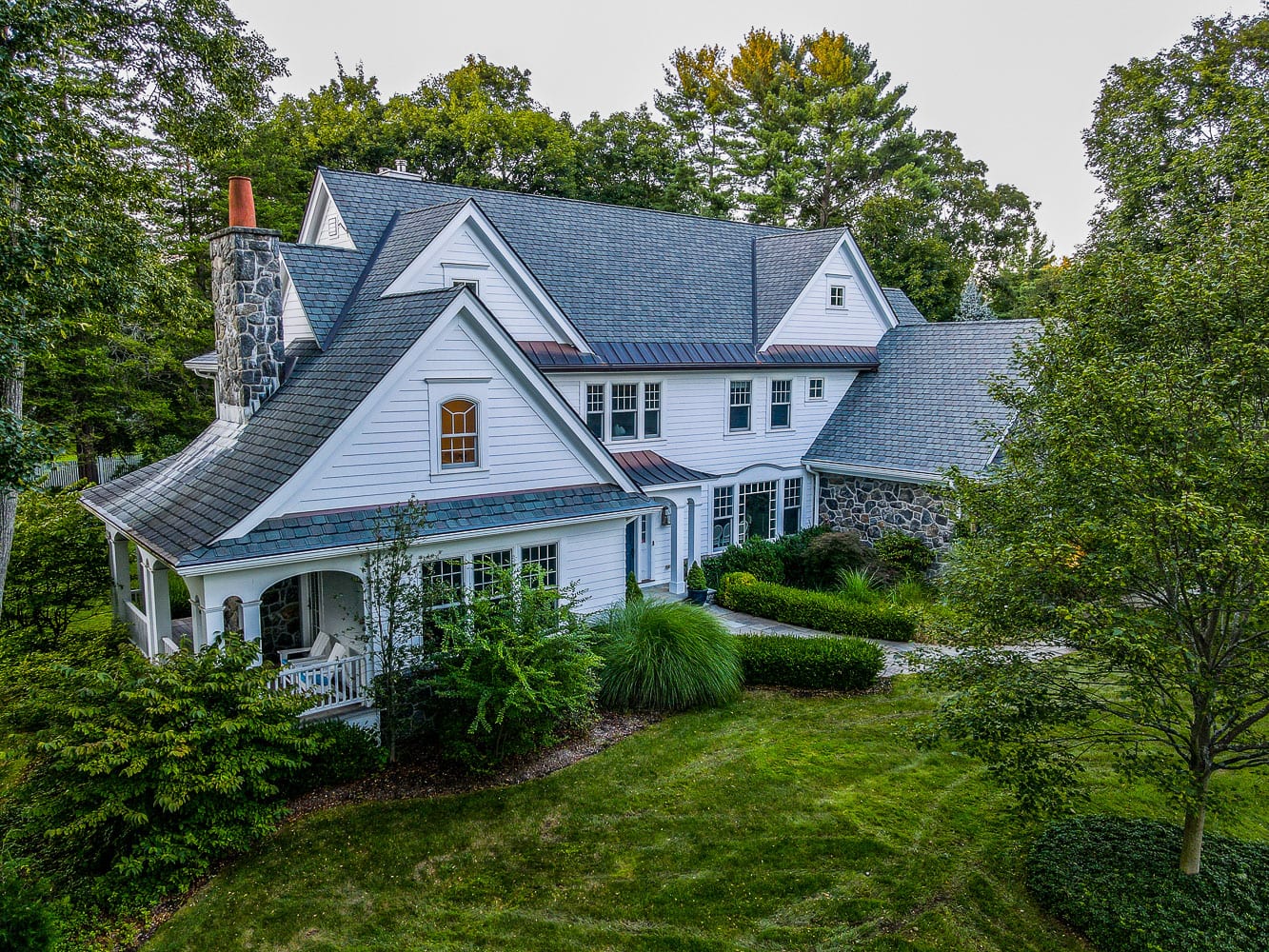
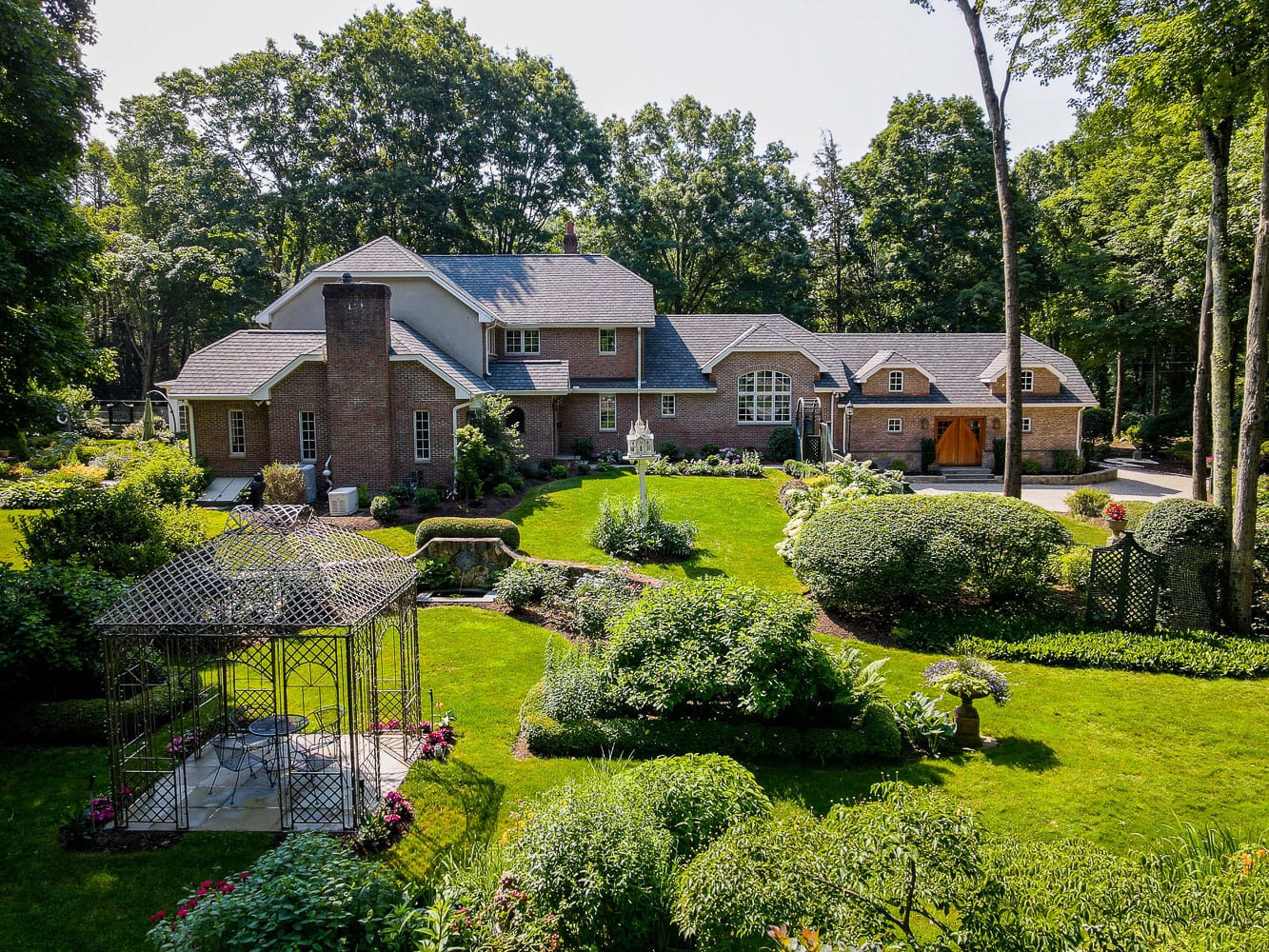
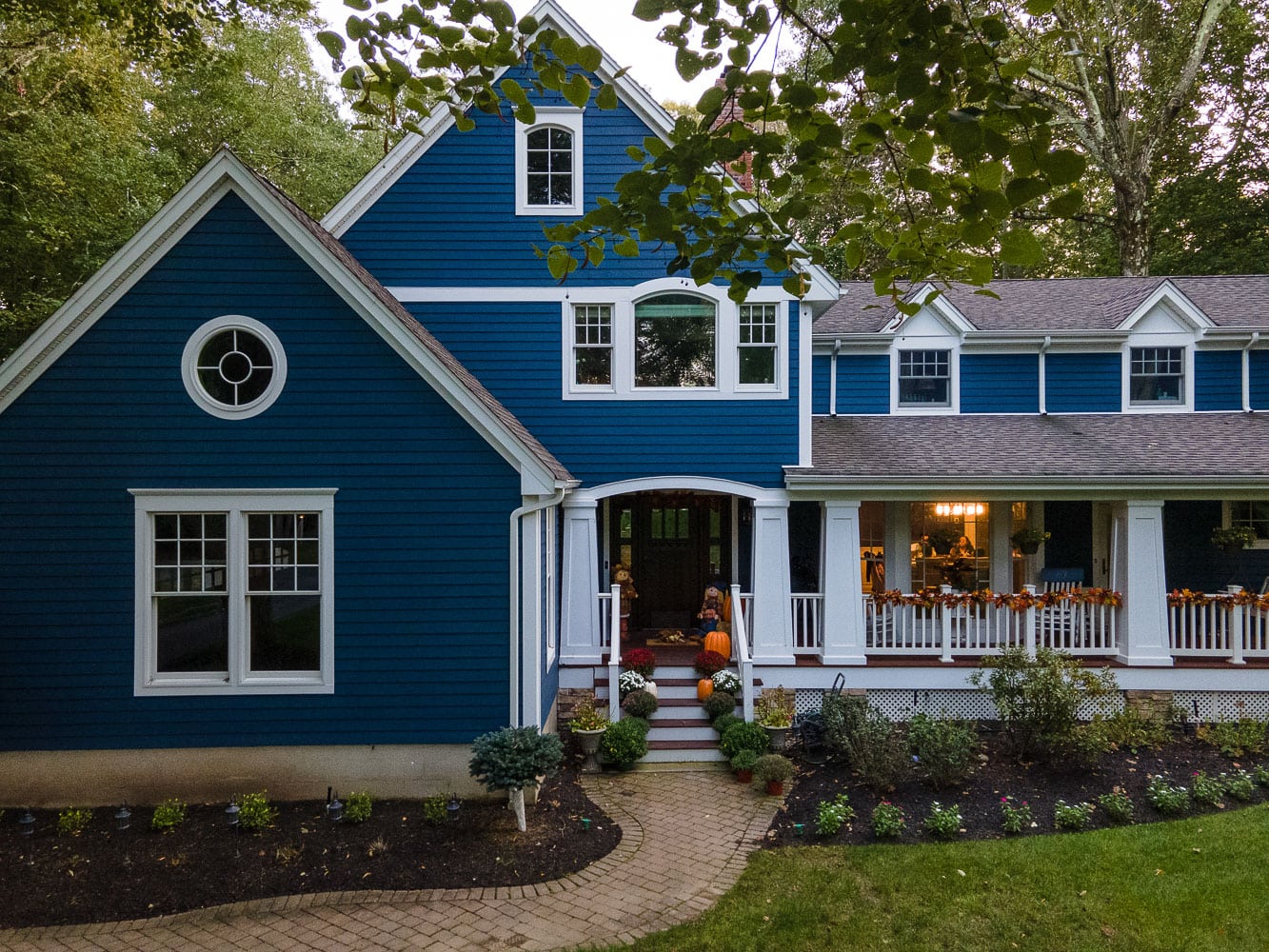
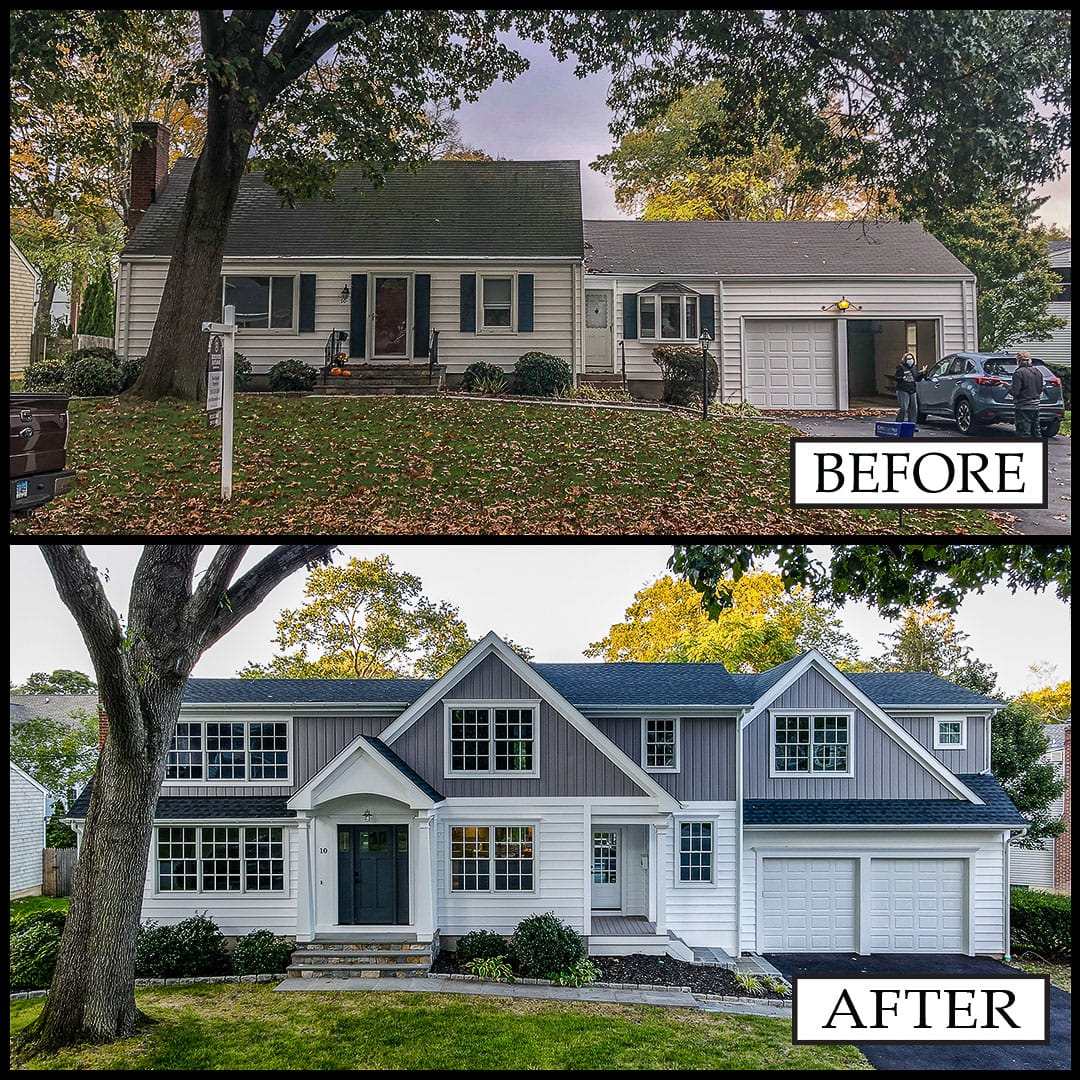
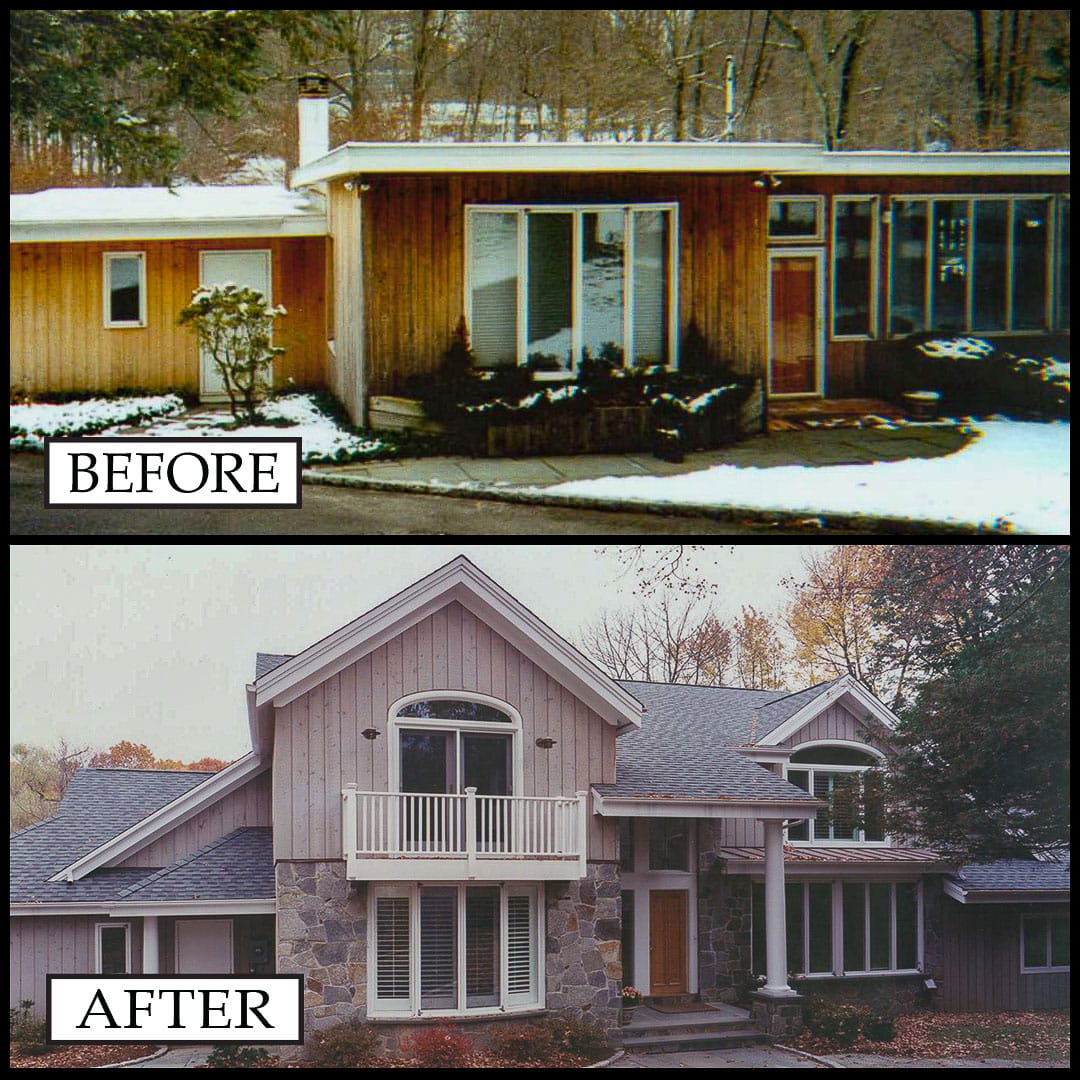
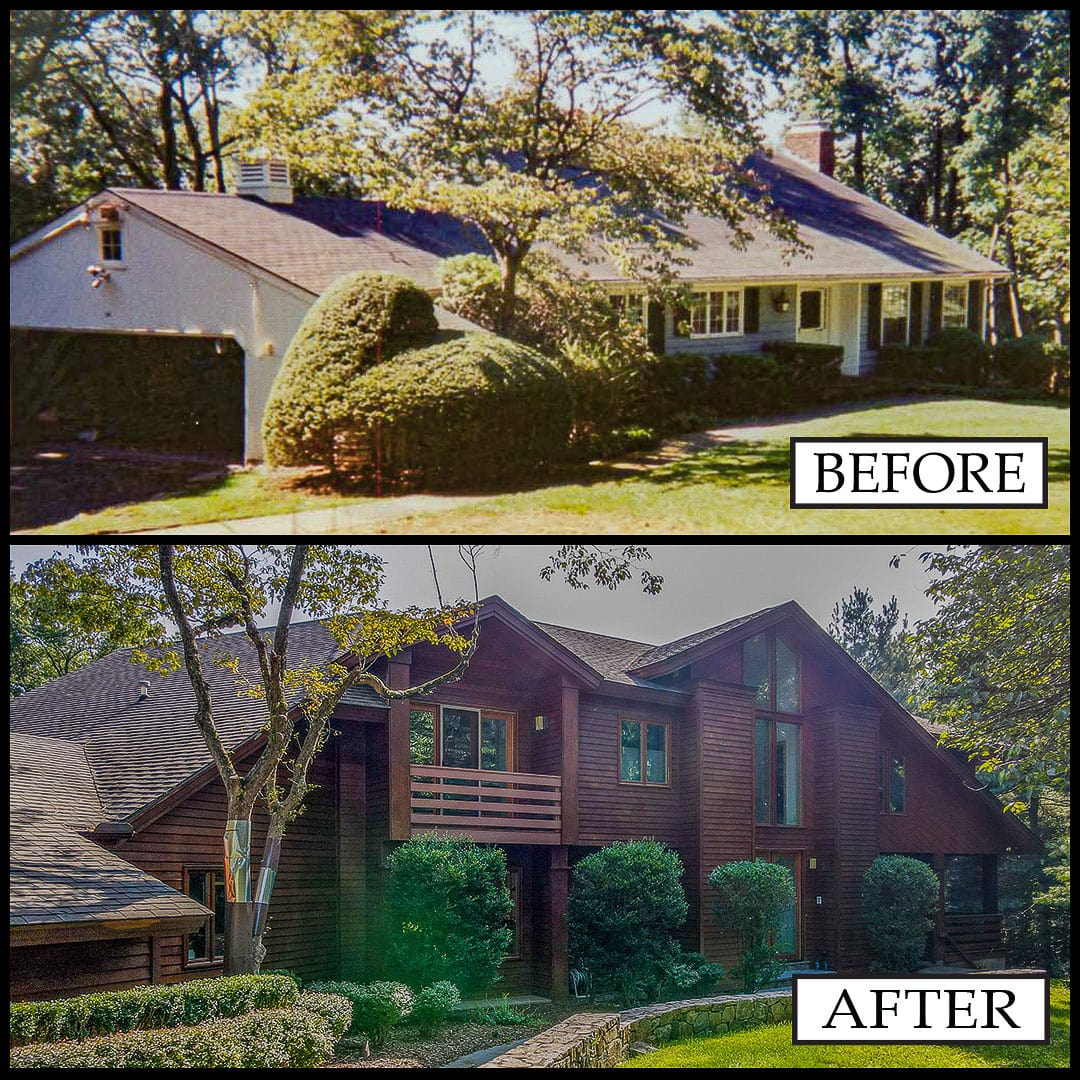
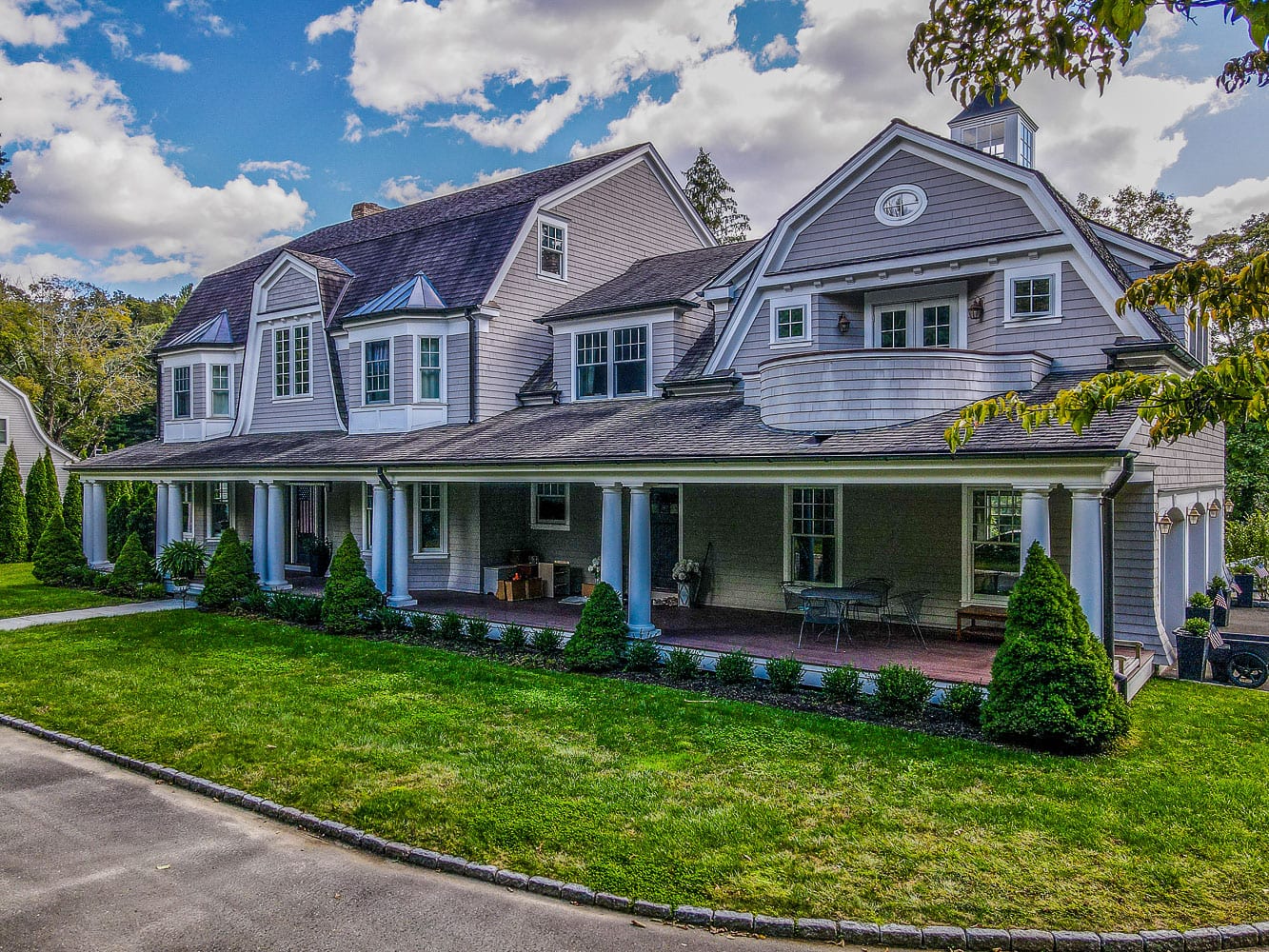
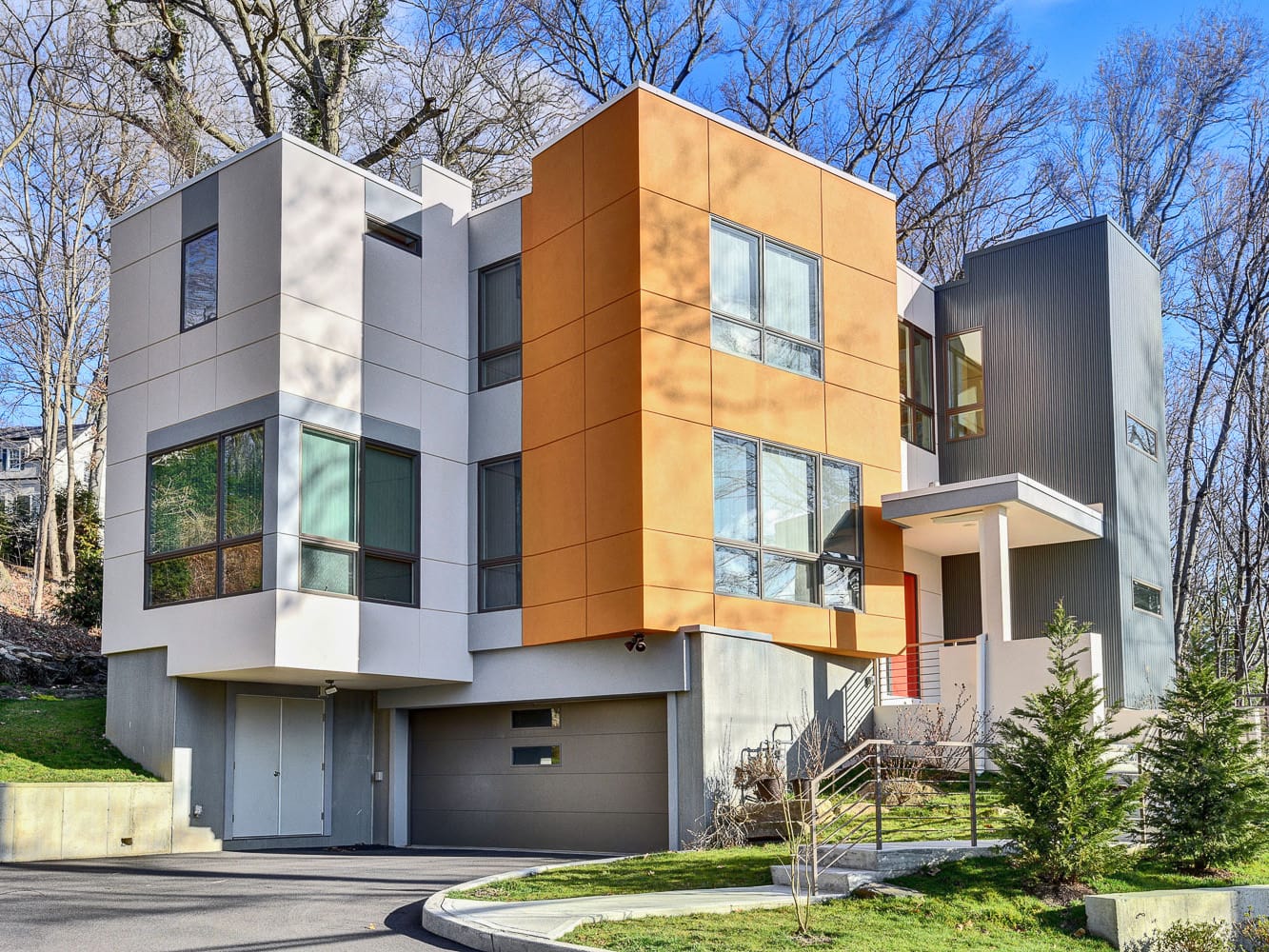
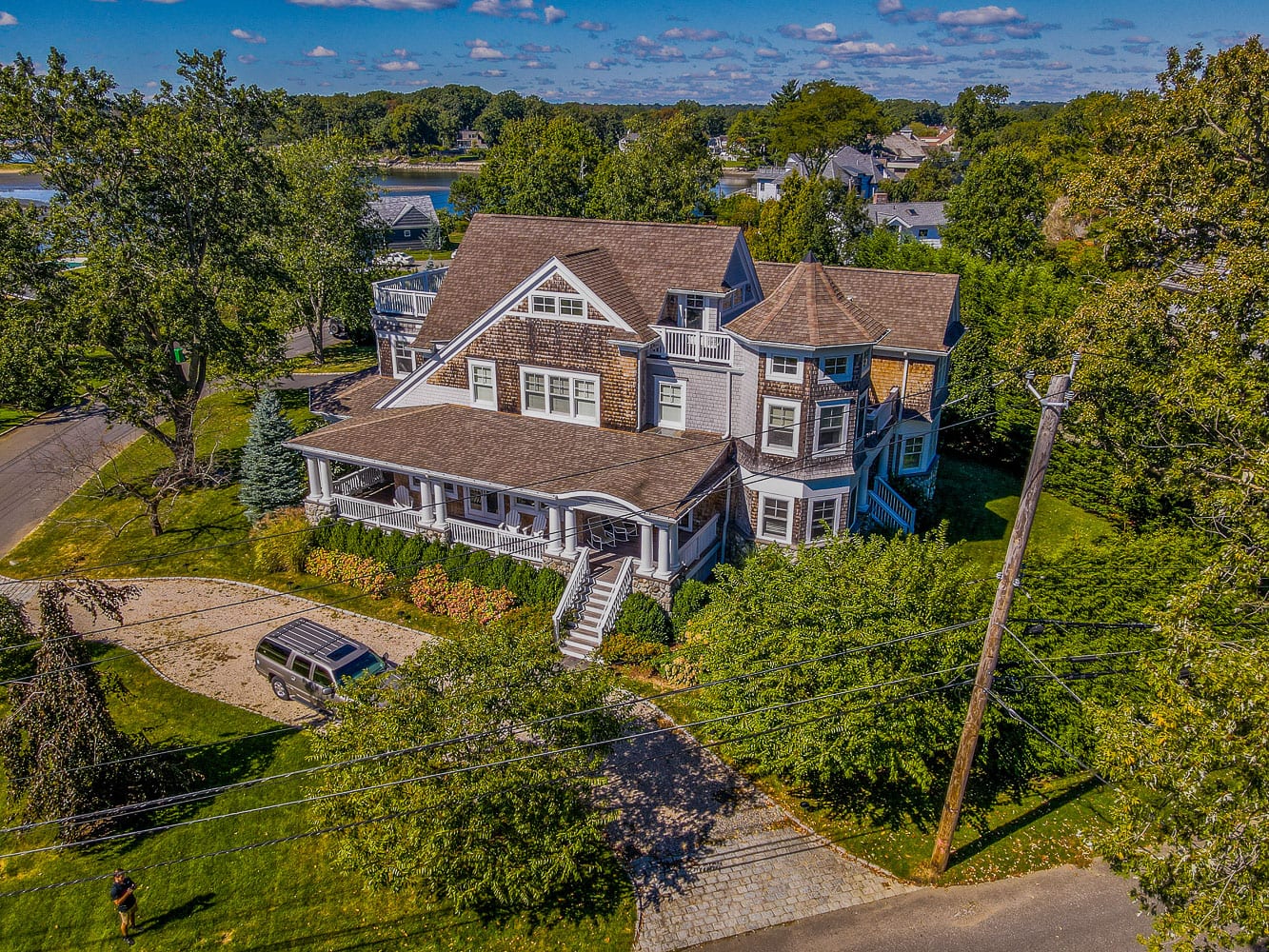
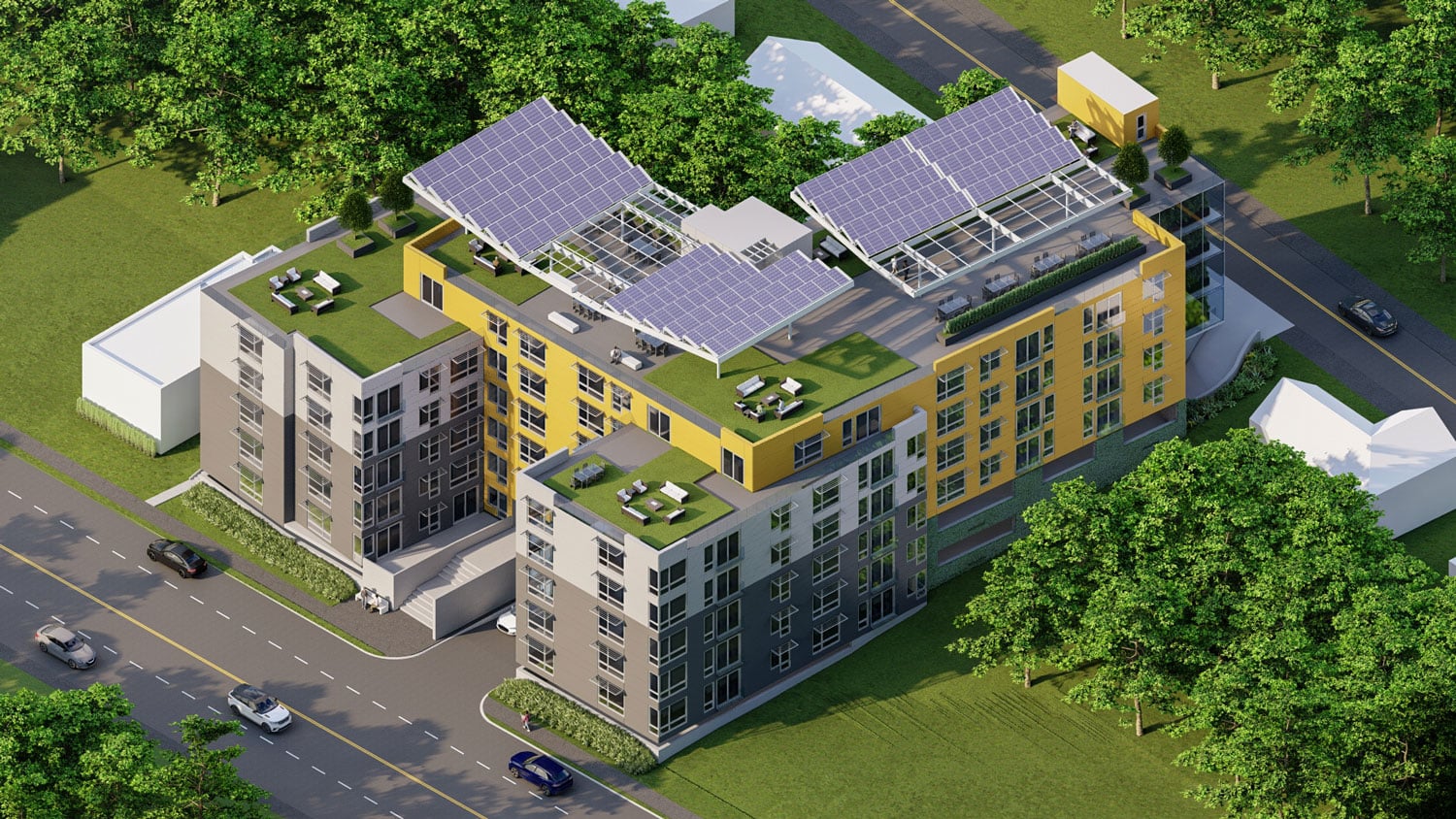
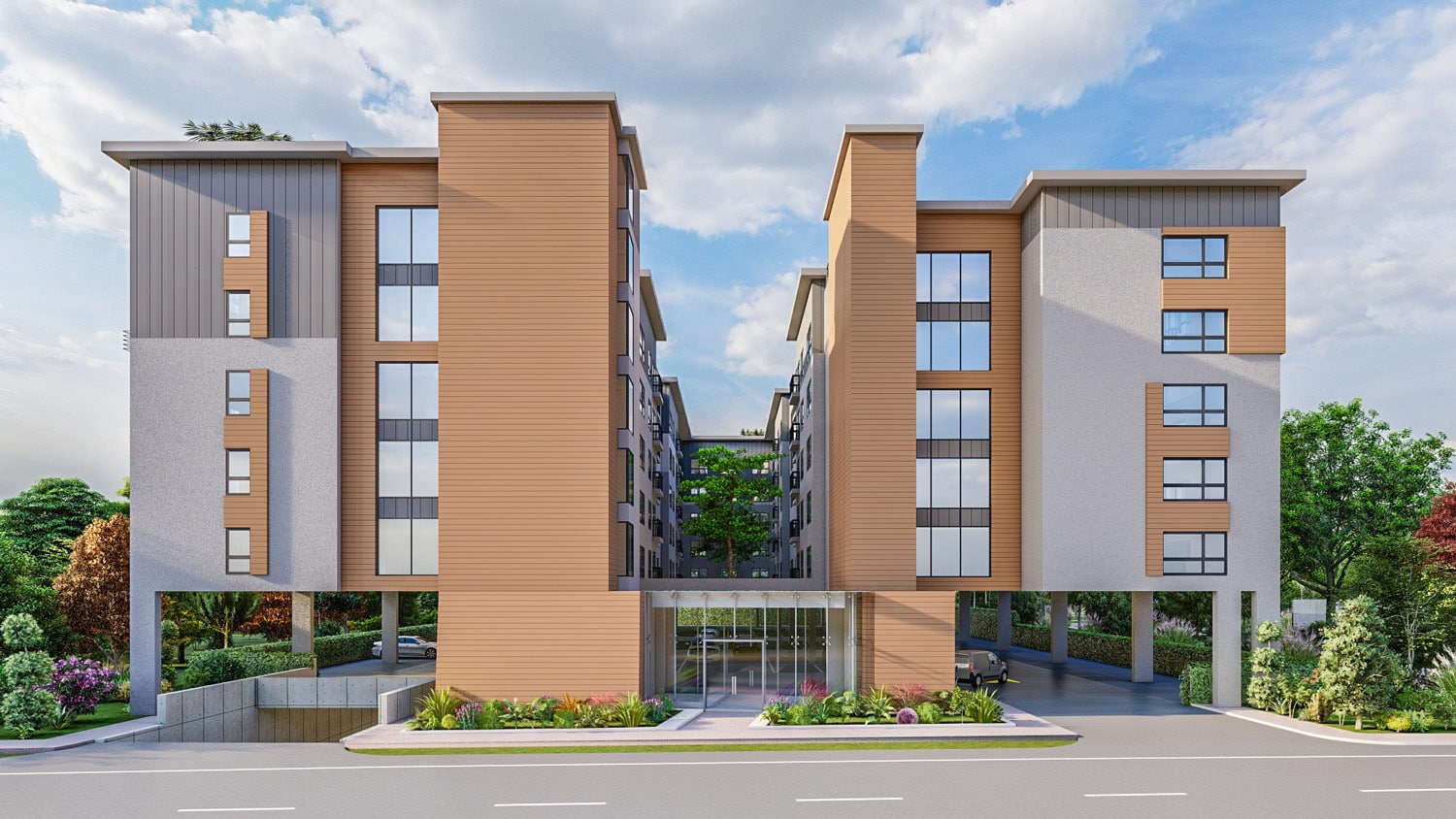
Modular Homes: Labor shortages and stricter credit requirements pave the way to a beautiful modular home in your future.

by Douglas Cutler
November 2nd, 2008
View entire article & comments »

Now that the vast majority of our immigrant construction labor force has left for greener pastures… who will be left to build our homes when the new home construction market returns?

The good news is the inevitable; surplus new home inventories will eventually dry up and new construction starts will begin anew. But, it has been widely reported that skilled construction labor has left the USA for greener pastures and all those hardworking immigrants, legal or not that were so plentiful during the boom years of home building, will not be here for home developers when they need them.

Market economics dictate that if construction laborers will be scare, then the wages of those who are still around will rise dramatically. This in turn will drive the cost of stick built homes through the roof. Adding to this dilemma will be the cost of home mortgages. One collapse of the credit markets per century is enough and sub-prime will be a luxury of the past. All this adds up to higher percentage down payments for the customer, most of whom will not be able to afford the increases associated with new home purchases.

What can they do?

Build modular homes in factories, of course, just like Henry Ford built automobiles in factories.

The Ford factory model was the only way that middle-Americans could afford to buy a car. And it was love at first site. Sadly, modular home construction was not met with the same open arms as cars. Much like the way that the American Medical Association and the pharmaceutical industry dampened the future of naturopathic medicine in America, the stick building industry has put a hex on the image of the modular homes built in factories.

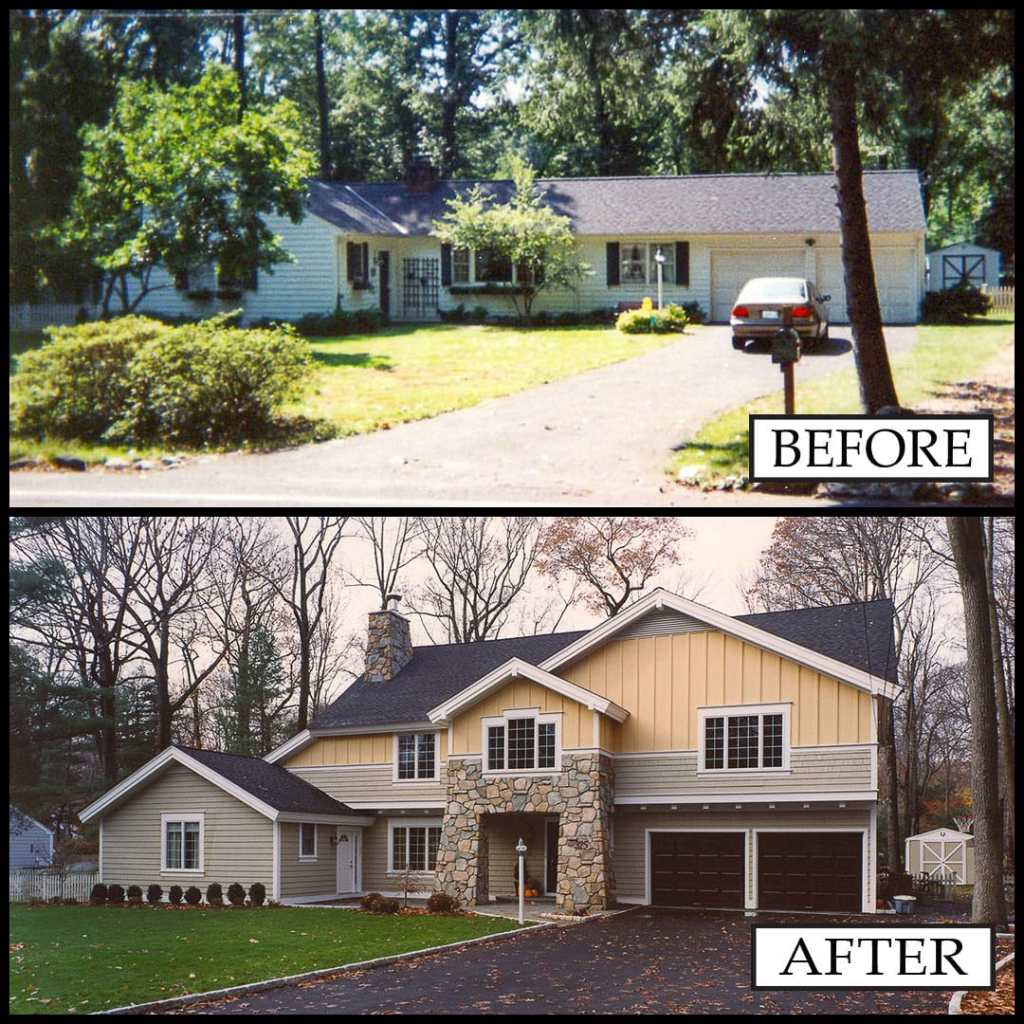
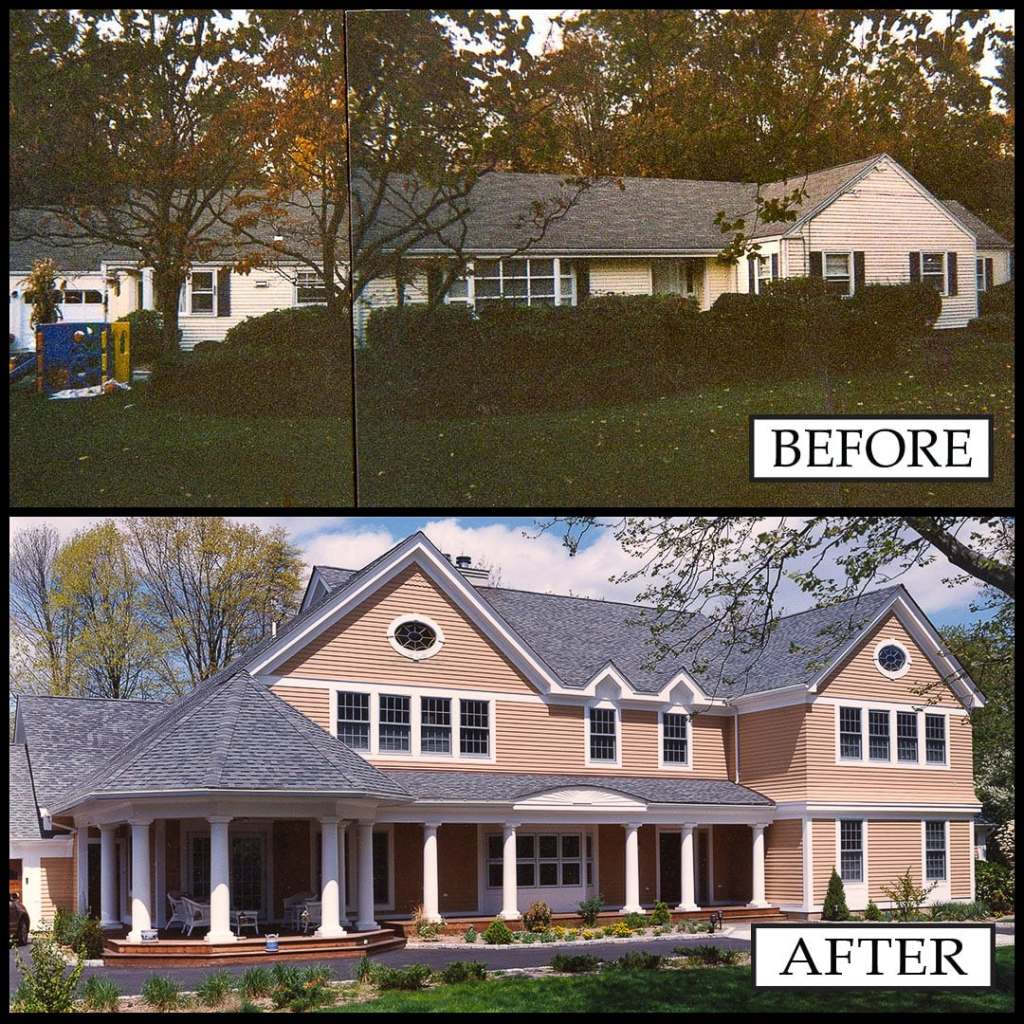
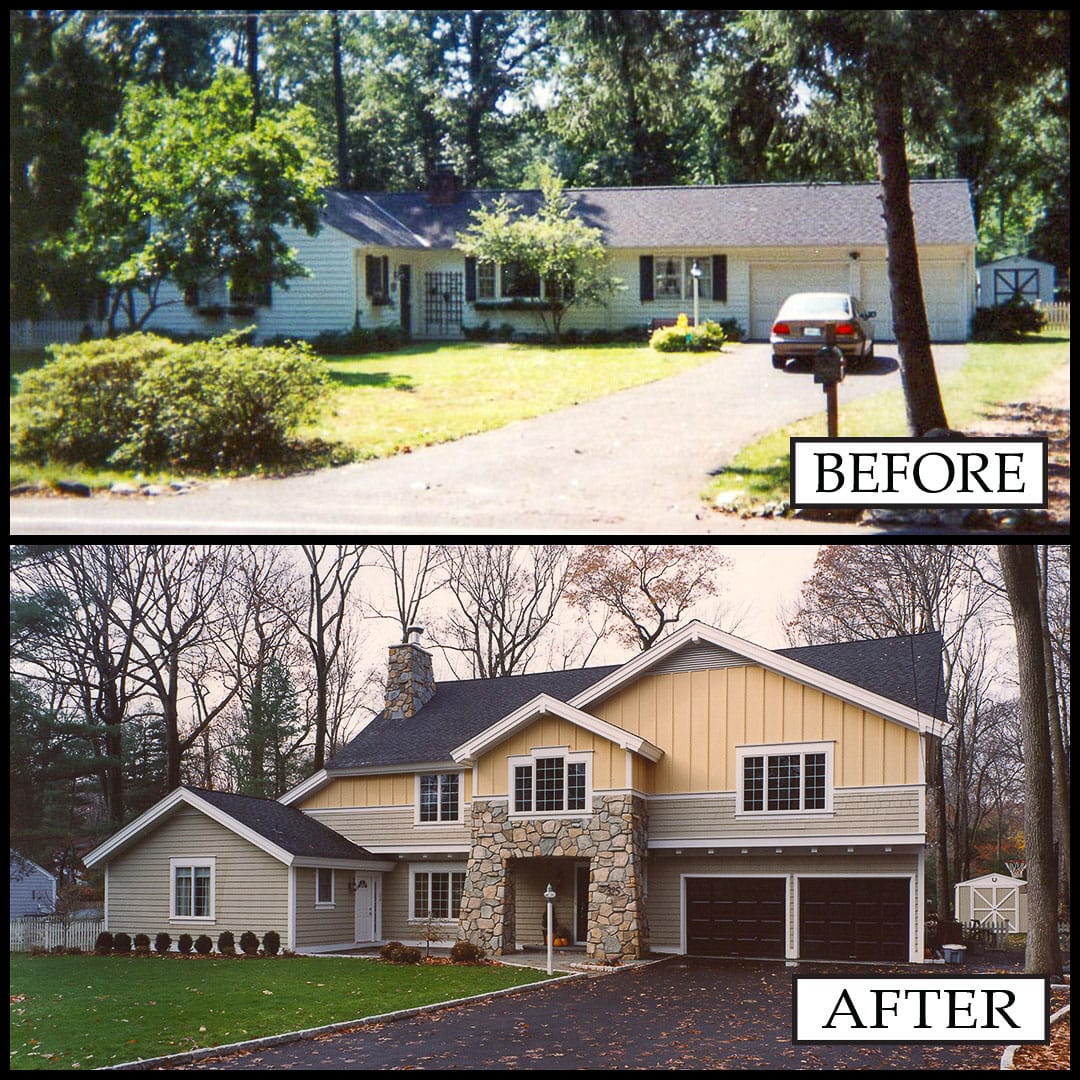
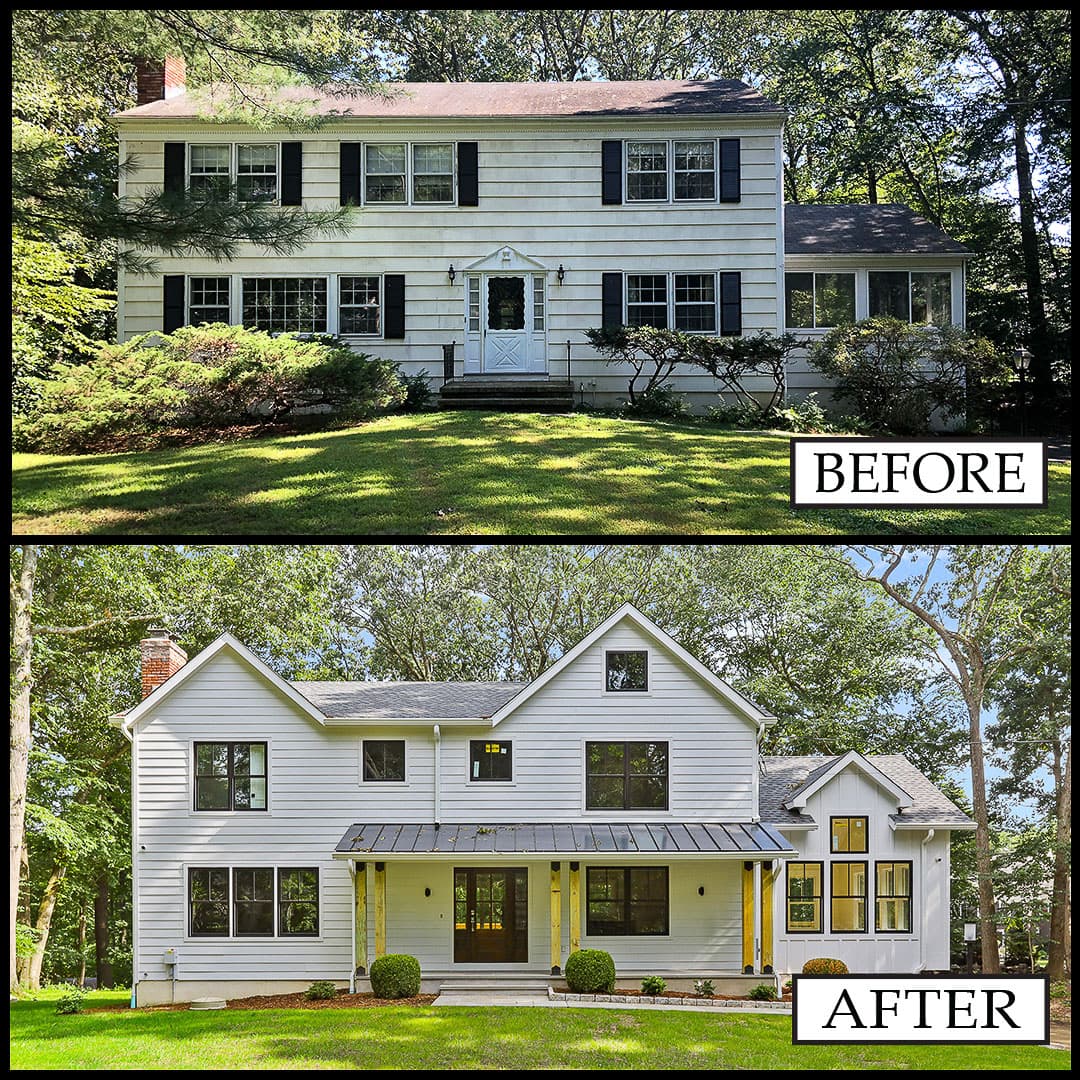
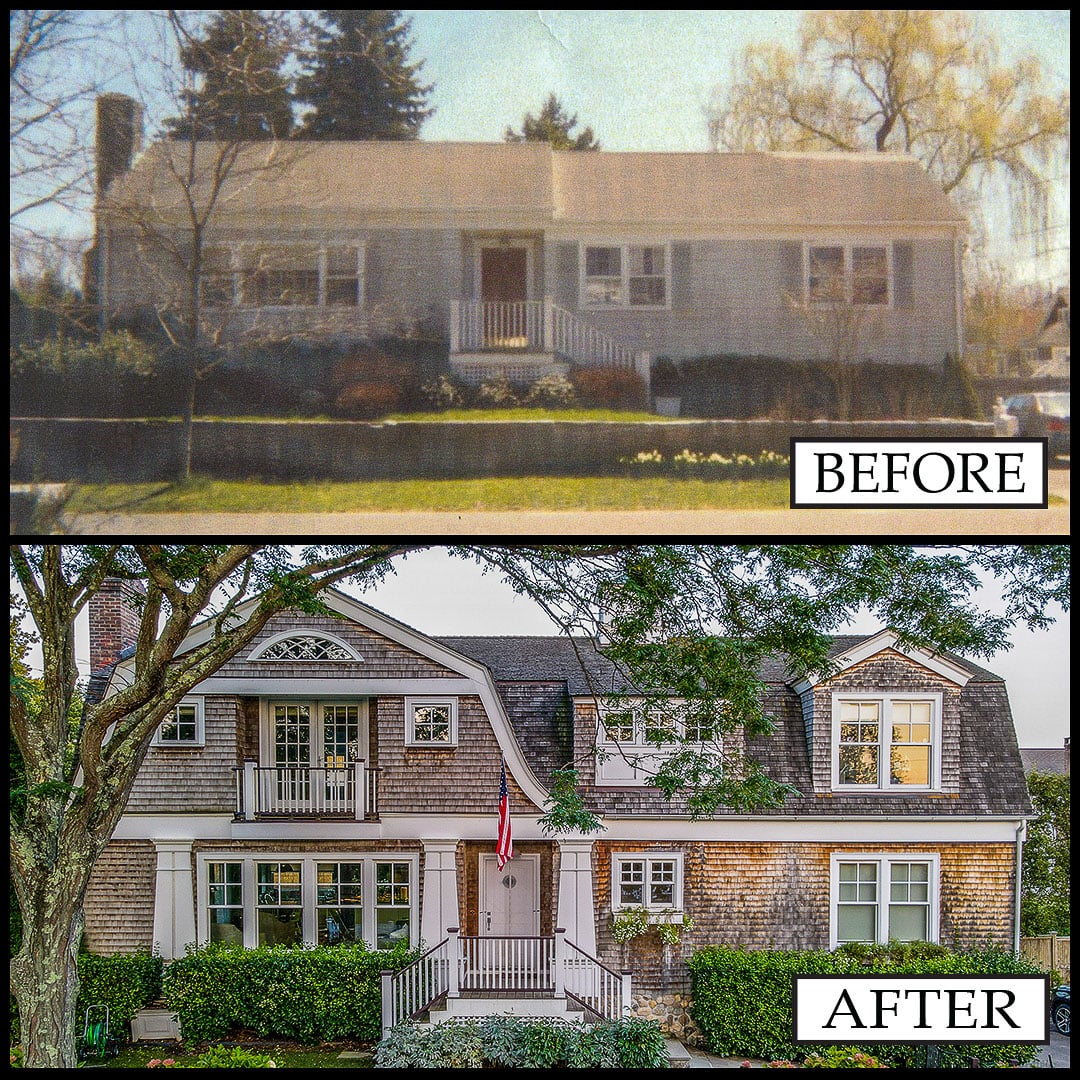
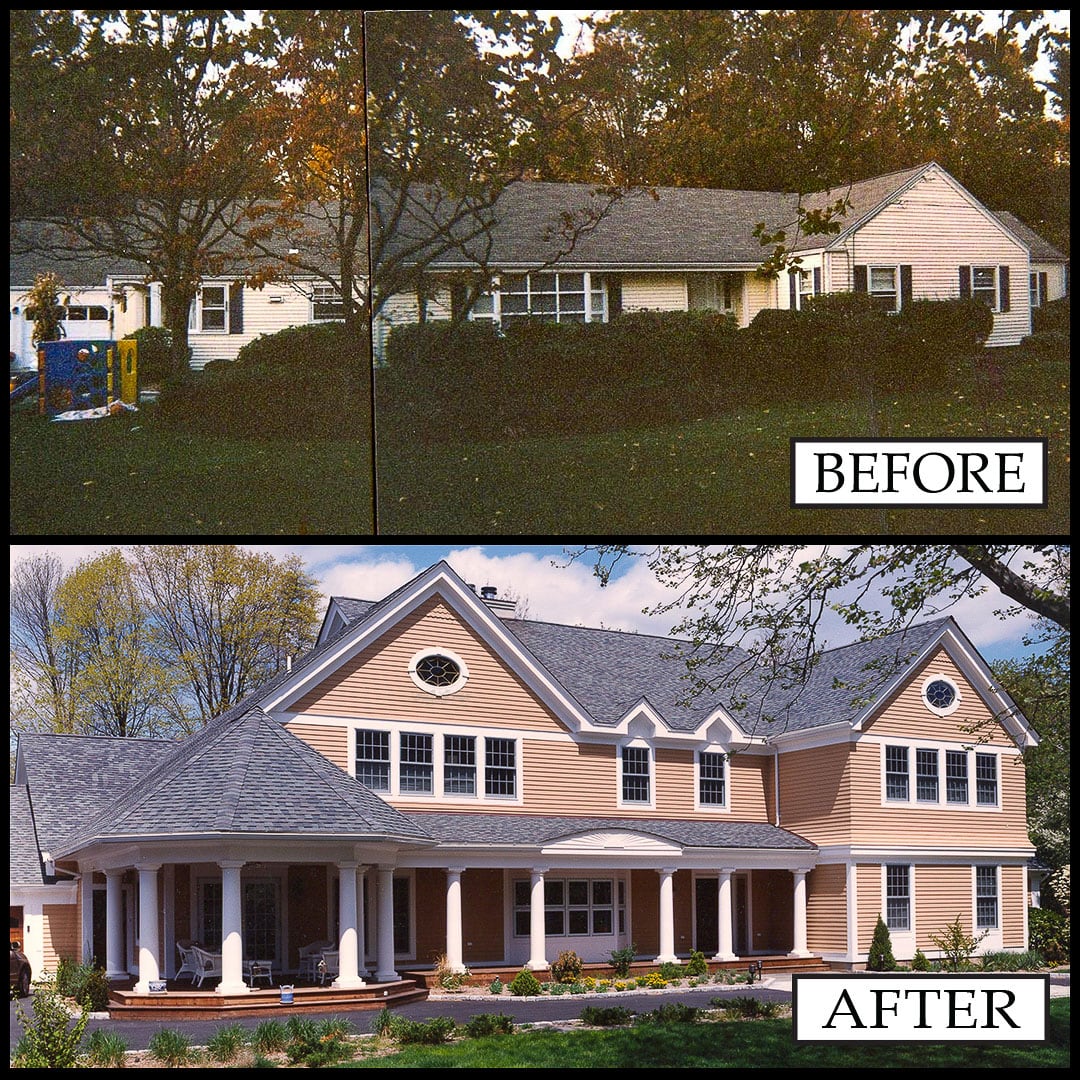
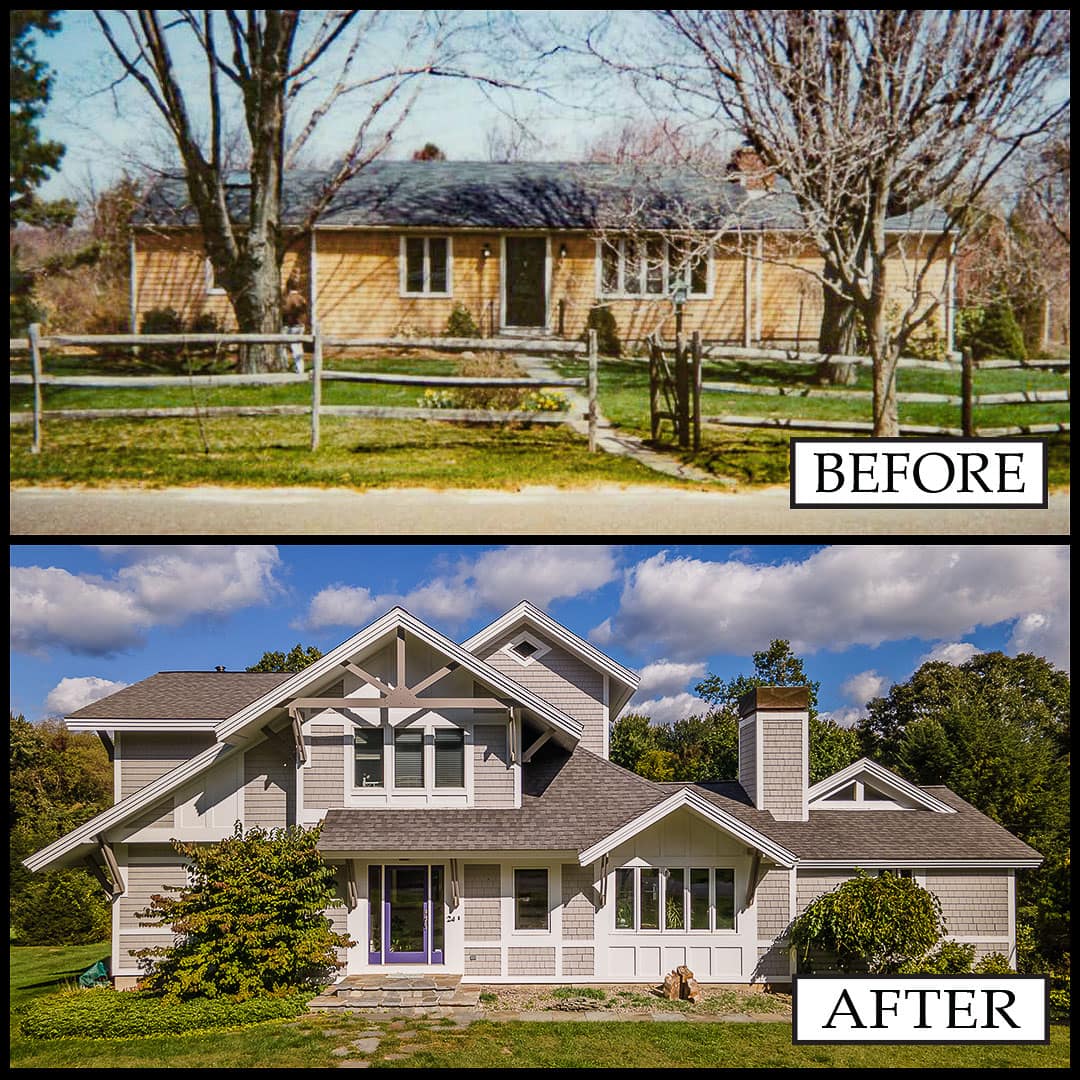
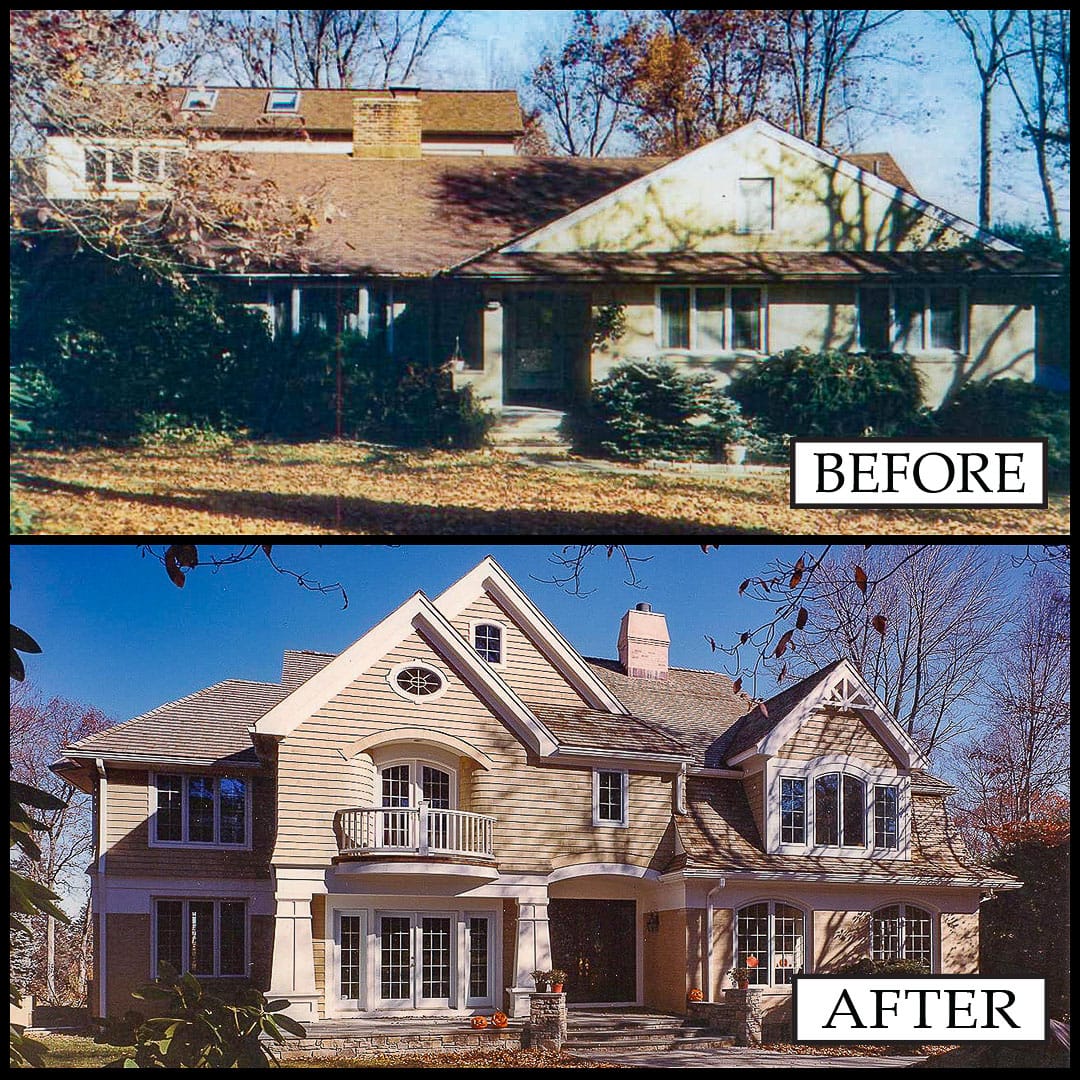
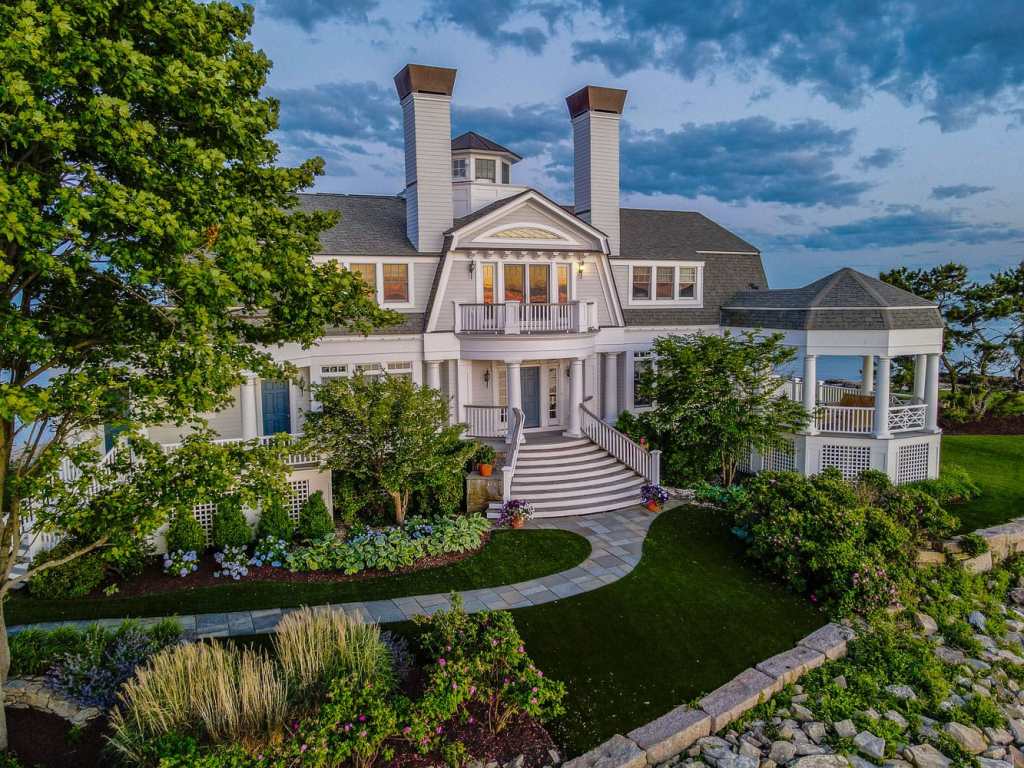
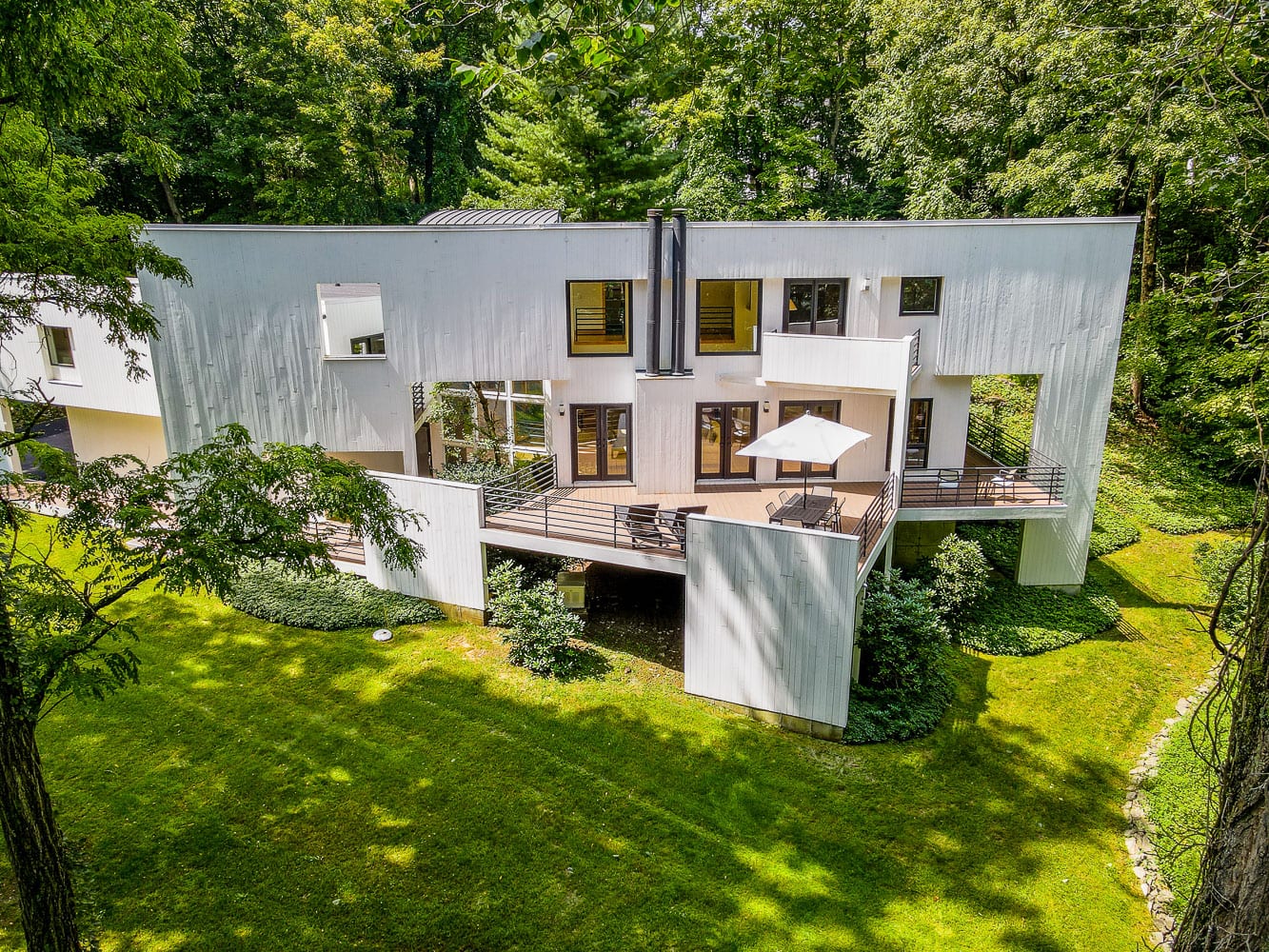
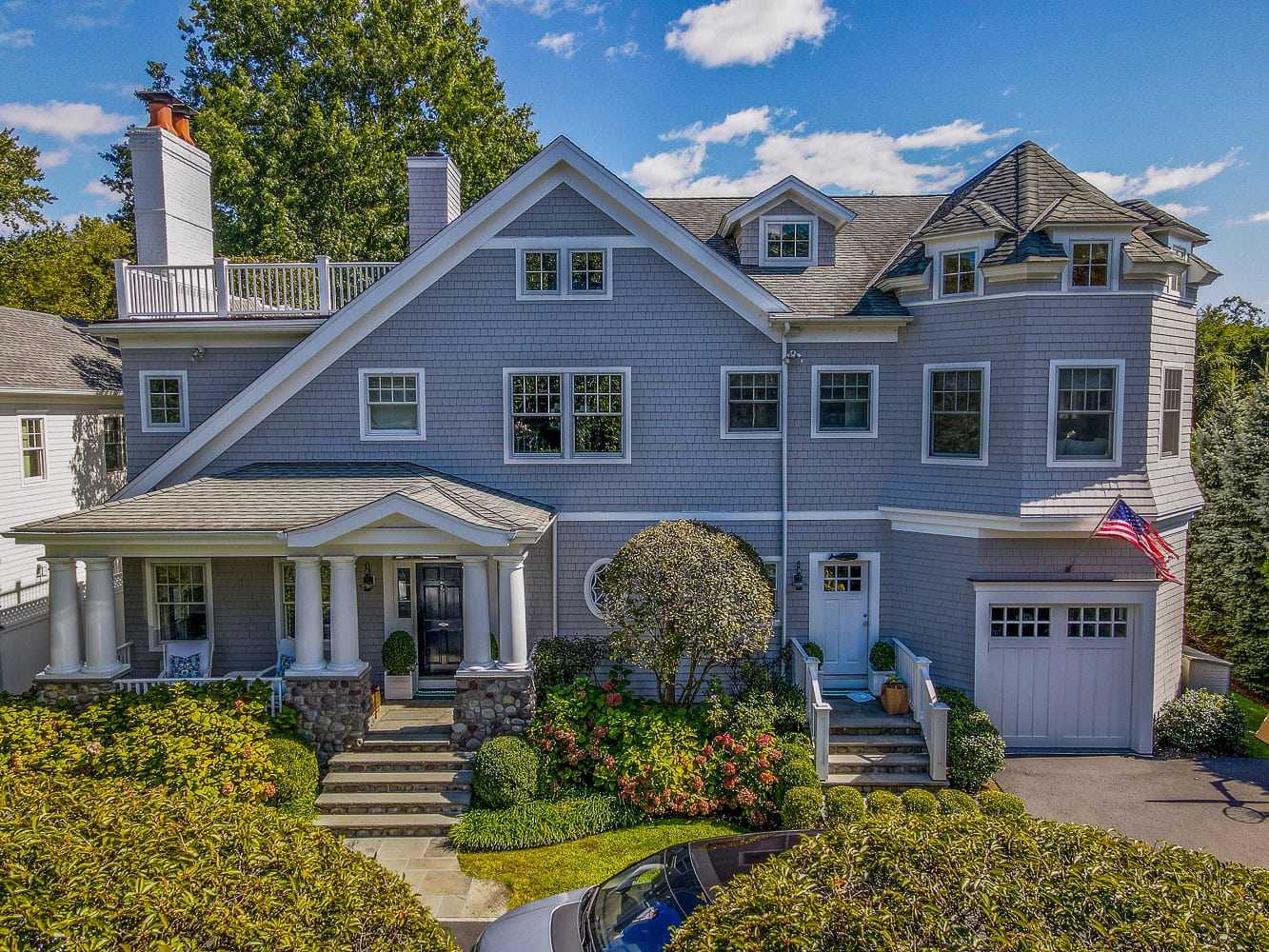
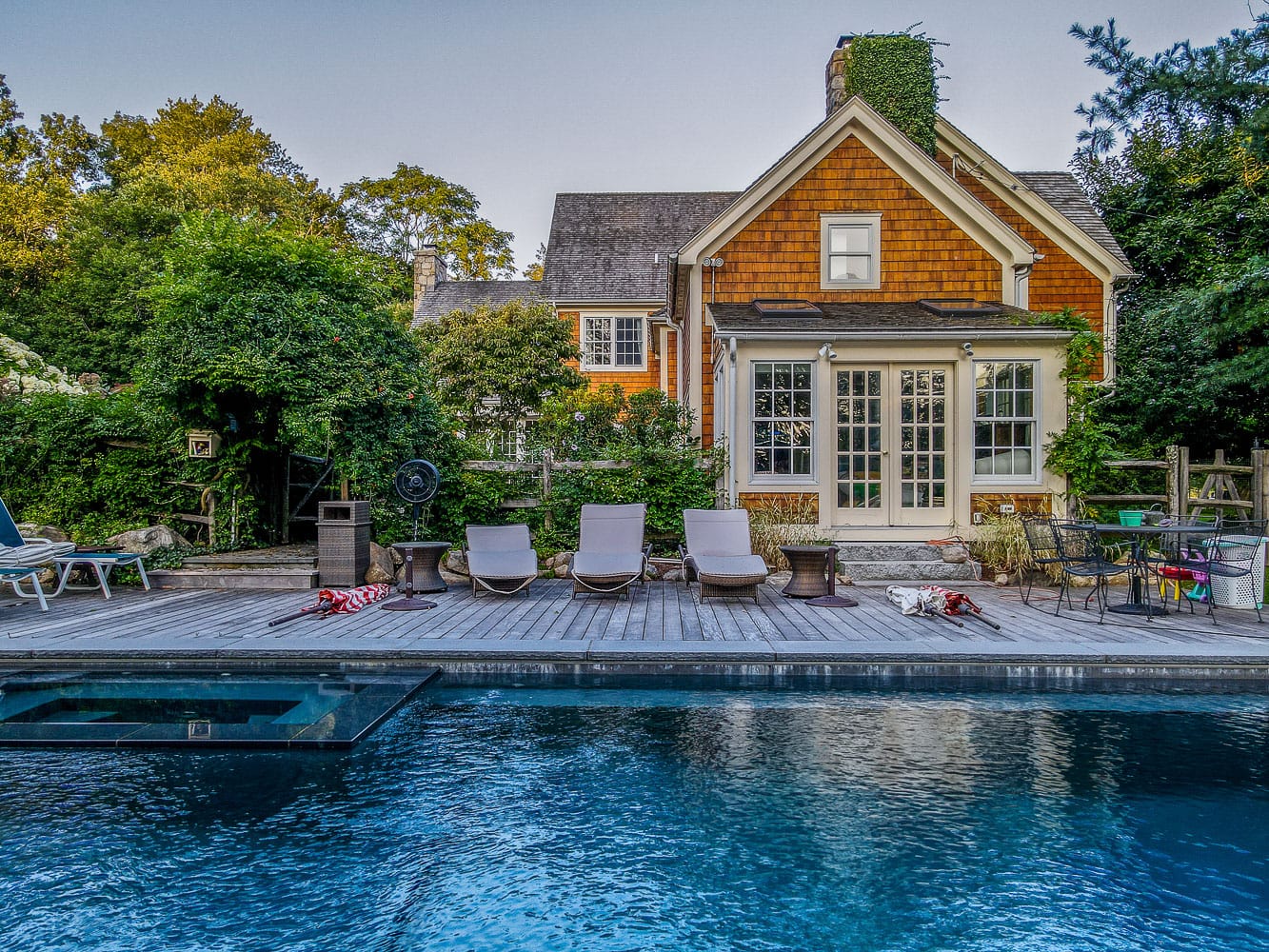
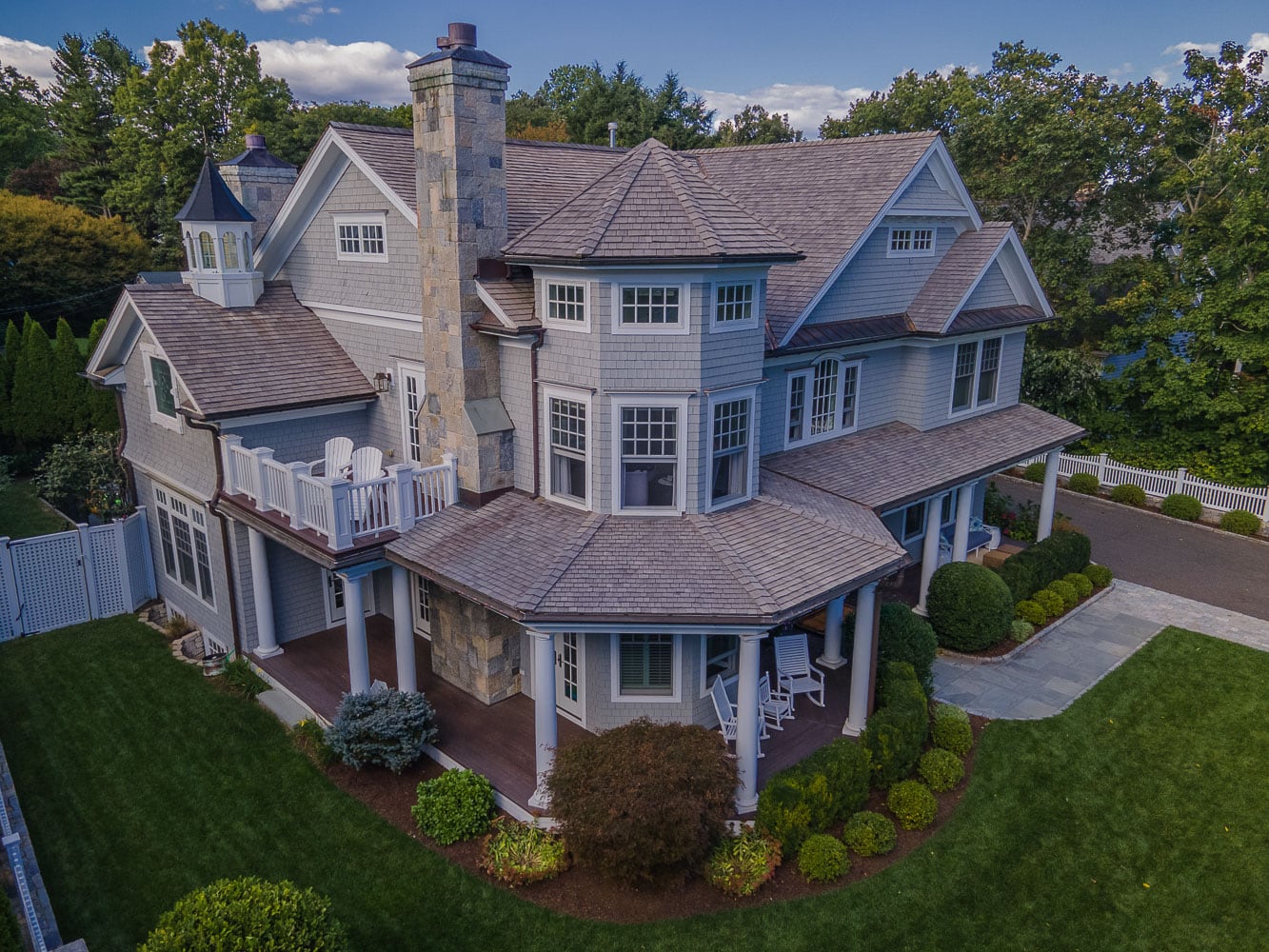
Maybe there were good reasons at first. Shipping was cumbersome, limiting the styles customers craved. But now that certified architects have entered the fray, all that has changed. Beautiful, roomy homes can be built in factories and shipped easily to a plot of land for assembly.

Factories have no subs, or subs of subs, to worry about. Unless the home is in the finishing stages, everything including architectural detail can be completed before the home goes on the road trip.

I, a modular architect, see it going down this way.

As inventories of new homes decline, modular factories will build up staffs of construction labor. Why? Because new home construction will be driven into the factories by the previously mentioned market forces demanding cost reductions.

Factories may offer a skilled laborer a salaried position with benefits just to keep him around for the steady flow of work pouring in. Even with perks, the costs of manufacturing a home in a factory will be less than hiring independent contractors on site. Think about it. With architects now designing modular homes to include style and grace, the customer won’t care where his home is built as long as it is solid, tight and gorgeous.

Modular Home building is the future of home building. Come back often and I will give you lots of reasons why it is time to change the way we think about home building in the United States in 2009 and beyond.

Share This Post:
  • Digg
  • del.icio.us
  • Google
  • YahooMyWeb
  • E-mail this story to a friend!

Systems Approval for Modulars… a thing of the past?

by Douglas Cutler
October 24th, 2008
View entire article & comments »

Very few people can take a stack of boxes and turn them into a pleasing home. Only a trained architect, with certification in modular systems structures, can take those modular boxes and make them into classic Victorians, grace-filled Colonials, charming Cape Cods, and bold and light filled contemporaries.

A trained architect is always the answer but don’t take my word for it just because I am one. Let me give you an example.

A while back we were helping a factory with the styling of a home. They were wise enough to know that their customer wanted an attractive showplace sitting on his expensive piece of land. I kept calling the factory because I saw through progress photographs that they were centering the windows vertically on each other instead of the placement we had drawn in the plans.

Read the rest of this article »

Share This Post:
  • Digg
  • del.icio.us
  • Google
  • YahooMyWeb
  • E-mail this story to a friend!

SIPS Modulars:
The Future of Home Building

by Douglas Cutler
October 5th, 2008
View entire article & comments »

Just ask Henry Ford

We Americans love our new homes, but in recent years home buyers could expect to fork out $150-$200 per square foot to have their gleaming treasures built from scratch out of timber. Now that the financial landscape is changing, it is clear that the cost of building houses, stick by stick, is spiraling out of control.

The process of planning and building can be arduous. Architects often work with a customer for months, planning the perfect customized layout only to have the confused buyer change their mind on major details at the last minute. Once completed, this same overwhelmed homebuyer has to negotiate contracts with a builder while paying fees to town commissions for plan approval. This can take months of negotiation with hourly fees for re-engineering rising steadily against a customer’s planned budget.

Finally, an approval arrives and the customer sighs in relief until the general contractor begins hiring subcontractors with often competing schedules. The result can be a chaotic construction sequence with compounding interest on construction loans being the only thing that moves forward at a steady, predictable pace. Read the rest of this article »

Share This Post:
  • Digg
  • del.icio.us
  • Google
  • YahooMyWeb
  • E-mail this story to a friend!